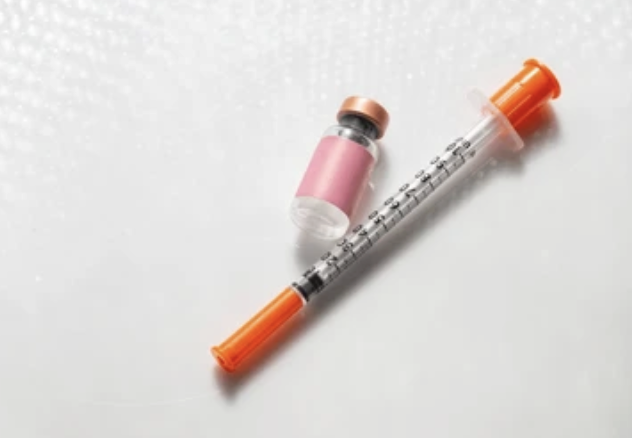
GLP-1 medications don’t appear to keep cortisol elevated. A 2019 study of dulaglutide found no lasting change in cortisol after three weeks of use, though earlier research showed a short bump right after a dose. The bigger cortisol risks on a GLP-1 are eating too little, fasting too long, short sleep, and the stress perimenopause already brings.
Women who are finally watching the scale move on a GLP-1, who are eating less than they have in years, and who still feel wired at bedtime, flat by 2pm, and stuck with a belly that won’t budge. That’s who I wrote this for. If that’s you, it makes sense that cortisol is on your mind, and what the research says is more encouraging than most of what you’ve seen on social media.
GLP-1s work. I’m not here to debate that, and whether you start, stay on, or come off one is a decision for you and your doctor. What I coach is everything that happens around the medication, the food, the sleep, the training, the stress, and that’s where cortisol comes in. I’m in perimenopause myself, so this one is personal for me too.
What Cortisol Does in Your Body
Cortisol is the stress hormone your adrenal glands make, and you need it. It gets you out of bed in the morning, raises your blood sugar when your body needs fast energy, and is supposed to taper off by evening so you can sleep. The trouble starts when it stays up. When cortisol runs high day after day, your body leans toward storing fat around your middle, your blood sugar swings harder, and sleep gets lighter and choppier.
Perimenopause adds to the pile. Estrogen is dropping, insulin sensitivity is shifting, and researchers following women through the menopausal transition found their urinary cortisol levels went up. I see it in my own data too. Across 5,621 new client assessments, the average stress rating women gave me was 6 out of 10, and “tired but wired” is one of the most common answers to my sleep question.
So before a GLP-1 ever enters the picture, a lot of women in their 40s are already carrying more cortisol than their bodies are used to. That’s the backdrop. Now add a medication that turns your appetite way down.
Do GLP-1 Medications Raise Cortisol?
Based on the research we have right now, not in a lasting way.
The clearest human study came from researchers at University Hospital Basel, who gave 20 healthy volunteers weekly dulaglutide (Trulicity) or a placebo for three weeks each. Their 24-hour urine cortisol, their daily cortisol rhythm, and their cortisol response to a stimulation test all looked about the same on the drug as on the placebo. The authors concluded that longer-term use didn’t activate the body’s stress-hormone system, and that the cortisol rise older studies saw right after a dose is likely brief.
A 2025 study in the journal Diabetes looked at adults with type 2 diabetes who had been on a GLP-1 for at least a year. It found stress-hormone activity didn’t differ between the people the medication worked well for and the people it didn’t.
These studies are small. The Basel group was young, healthy, and on one specific drug, and nobody has run the study we’d all love to see on 45-year-old women in perimenopause taking semaglutide or tirzepatide. So the medication itself doesn’t look like the thing driving cortisol up. What can push it up are the habits that tend to show up alongside it, and those deserve a hard look.
Your GLP-1 turns your appetite down, and your habits decide how your stress hormones handle eating less.
Three GLP-1 Habits That Can Push Cortisol Up
1. Eating far less than your body needs
On a GLP-1, dropping to 1,200 calories a day or less can happen without you noticing, because you just aren’t hungry. That number matters. In a 2010 study of 121 women, three weeks at 1,200 calories a day raised total cortisol output, and the women who had to track every calorie also reported feeling more stressed.
Your muscle is on the line too. In the STEP 1 body composition analysis, people on semaglutide lost 19.3% of their fat mass over 68 weeks and 9.7% of their lean mass along with it. Muscle is what keeps your metabolism working for you as you lose, and in perimenopause you can’t afford to give it away.
That’s why my free GLP-1 Guide says it plainly… if I were on a GLP-1, I would not “just eat less.” I would eat on purpose.
2. Fasting longer than you need to
Low appetite makes long fasts feel easy, and that’s the trap. Stretching hours past your normal window puts extra stress on your body, makes it harder to hit your protein, and can add to muscle loss when you’re already eating less. I teach flexible fasting, a window that fits your day and bends when it needs to, and I’d never stretch it longer just because the medication makes it possible.
3. Running on short sleep
GLP-1 nausea, a 3am bathroom trip, and perimenopause night sweats can all chip away at your sleep, and short sleep shows up in your cortisol the very next day. In a 1997 sleep study, partial sleep loss raised evening cortisol 37% the following evening, right when it should be winding down. That study was done in young men, and the pattern still matches what women describe to me as tired but wired.
Stress works the same way. If yours is already high, the medication won’t cancel it out, and unmanaged stress can slow your progress and leave you more fatigued even with GLP-1 support.
What Eating More Looked Like for Katie, Jessica & Amber
None of these three women were on a GLP-1. I’m sharing their stories because they were living the exact patterns above, under-eating, long fasts, running on empty, and their bodies changed once they were fed.
Katie came to me at 46, in perimenopause with adrenal fatigue, eating 1,200 calories or less a day and, in her words, “flat out exhausted.” She increased her calories strategically, and within six weeks her energy had skyrocketed and her afternoon crashes were gone. She told me the big calorie deficits and over-exercising she’d tried for years had been working against her the whole time.
Jessica was 45, eating 1,200 calories or less and doing three 60-minute boot camps a week, and the fat around her midsection kept building anyway. She traded the boot camps for 30-minute workouts, ate more than she could remember eating as an adult, and lost 2.5 inches from her waist in six weeks.
Amber spent seven years on keto and intermittent fasting, five of those years eating one meal a day, and kept losing and regaining the same 10 pounds. In her first week on a structured plan, eating more, she had more energy and less bloating, and she says she never once felt deprived.
Their results are theirs, and yours will look like yours. What they share is a body that finally got enough fuel to stop running on high alert.
How to Support Your Cortisol While You’re on a GLP-1
These are the four things I’d focus on first.
Build every meal around protein. Protein helps you hold onto muscle while you lose weight and keeps you satisfied with smaller portions. Your exact target depends on your body and your goals, and the protein calculator in my free GLP-1 Guide walks you through it.
Keep your fasting window flexible. Pick a window that fits your life and let it bend on the days you need it to. Prioritize protein and nourishment over pushing how long you can go without eating.
Lift weights, and keep the sessions short. Strength training is how you tell your body to keep its muscle while the scale drops. Thirty minutes is plenty, and it asks a lot less of a stressed-out body than an hour of cardio on four hours of sleep.
Protect your sleep and your wind-down. Aim for the same bedtime and wake time whenever you can, with a simple routine before bed. Then build in one daily habit that brings your stress down, like a walk after dinner or a few minutes of stretching or deep breathing. Doing less consistently beats trying to do everything at once.
I put all of this, plus the protein calculator, side-effect help, and an exit plan for when you come off the medication, into my free GLP-1 Guide. Grab the free GLP-1 Guide here.
And if you’re worried about your cortisol itself, or you’re wondering about testing, take that to your doctor. That part is their lane, and the daily habits are mine.
Ready for a Plan That Works With Your Body in This Season
If you’re doing everything right and nothing’s working, you deserve a plan built for the body you’re living in right now, on a GLP-1 or off one.
My VIP membership is open all year, so you can start today. You get customized macros, 30-minute workouts you can do at home or at the gym, weekly meal plans, live group calls, and daily accountability from me and a community of women in the same season. As you go, we work through maintenance and the phases that keep results coming long after the first few months. There’s no contract, and you can cancel anytime.
Join my VIP membership here and let’s build this together. I would love to have you!
Frequently Asked Questions (FAQ Schema)
Does Ozempic raise cortisol?
Current research doesn’t show GLP-1 medications keeping cortisol elevated over time. A 2019 study of dulaglutide found no lasting change in cortisol after three weeks, and no large study has looked at semaglutide (Ozempic, Wegovy) and cortisol in perimenopausal women yet. Talk to your doctor if you’re concerned about your own levels.
Can eating too little on a GLP-1 raise cortisol?
It can. In a 2010 study of 121 women, eating 1,200 calories a day for three weeks raised total cortisol output. Because GLP-1s lower appetite, it’s easy to drop that low without meaning to, which is why building meals around protein matters.
Is intermittent fasting okay on a GLP-1?
Shorter, flexible fasting windows tend to work better than extended fasts while you’re on a GLP-1. Long fasts on top of a low appetite make it harder to get enough protein and add stress to your body. Check with your doctor about what fits your medication and health history.
Does cortisol go up in perimenopause?
Research from the Seattle Midlife Women’s Health Study found urinary cortisol levels increased during the menopausal transition. Higher cortisol is linked with more fat storage around the middle, which is why stress, sleep, and eating enough matter so much in this season.
How much protein do I need on a GLP-1?
Your target depends on your body, your goals, and your activity level, so there’s no single number for everyone. Build every meal around protein, and use a tool like the protein calculator in my free GLP-1 Guide to find your daily minimum.
Should I get my cortisol tested if I’m on a GLP-1?
That’s a question for your doctor, who can decide whether testing makes sense for your symptoms and history. A health coach can help with the daily habits that support healthy cortisol, like eating enough, sleeping well, and strength training.


LEAVE A COMMENT
Comments