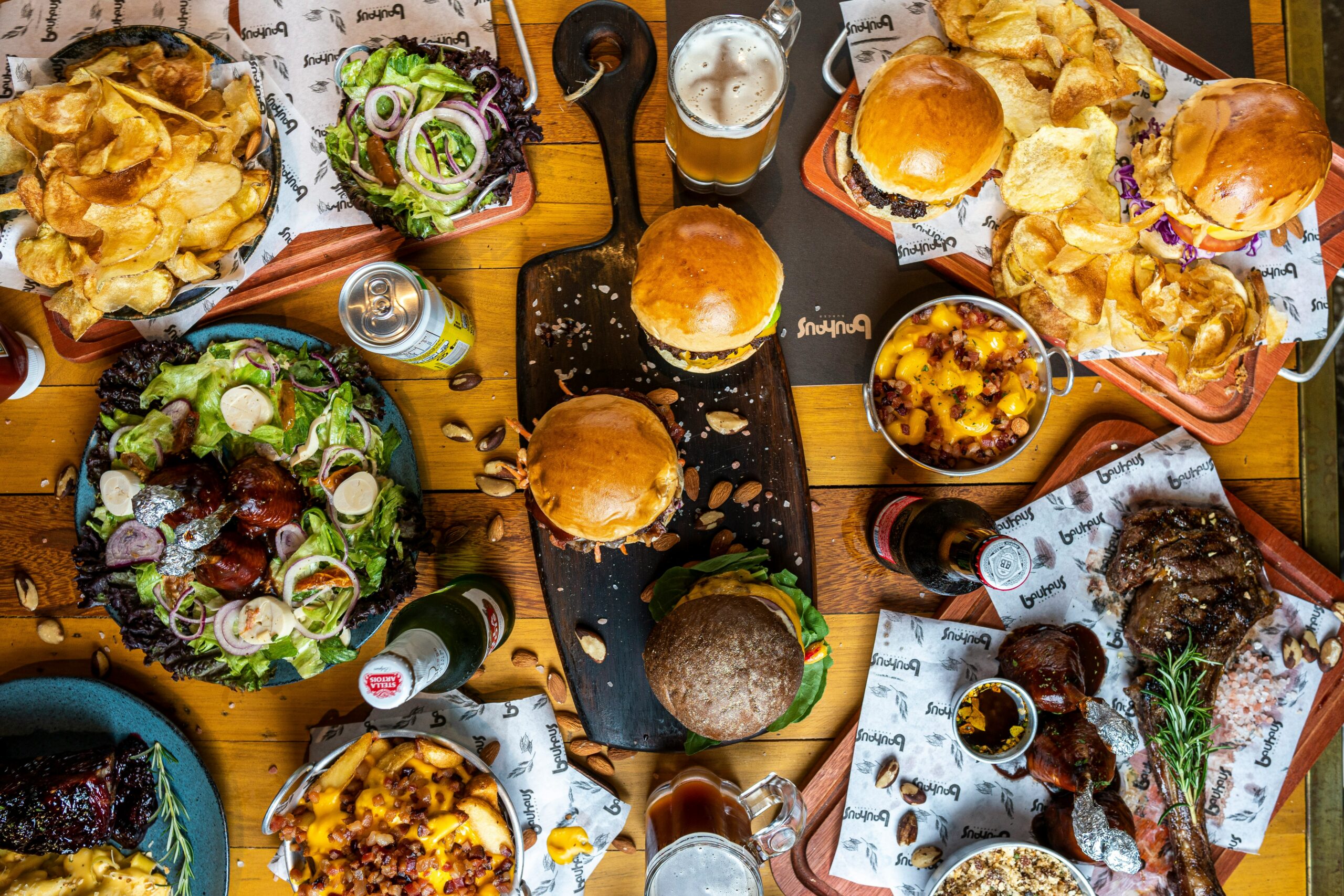
If you feel like you “blew it” this weekend, I need you to hear me clearly.
You did not ruin your progress.
You do not need to start over.
You do not need to punish yourself on Monday.
What you do next matters far more than what happened.
As a coach who works with women over 30 navigating fat loss, hormones, intermittent fasting, and real life, I see this cycle constantly. A weekend with extra food, drinks, skipped workouts, later nights. Then Monday hits and the instinct is to restrict harder, fast longer, or double the cardio.
That reaction is what actually slows progress.
Let’s talk about what to do instead.
First, Stop the All-or-Nothing Spiral
One off-track weekend does not cause fat gain.
What causes fat gain is the pattern of overeating, feeling guilty, restricting aggressively, then repeating the cycle. That stress response drives up cortisol, disrupts blood sugar, and increases cravings.
If you are thinking about skipping meals today to “make up for it,” pause. Severe restriction after overeating increases the likelihood of another binge later in the week.
Your metabolism responds best to consistency, not punishment.
Step 1: Go Back to Your Normal Routine Immediately
Do not wait until next Monday.
Do not declare a reset date.
Wake up and return to your usual structure. That means:
- Hit your protein target
- Eat balanced meals
- Drink water
- Get your steps in
- Lift as planned
Nothing dramatic. Just structure.
For women over 30, structure supports blood sugar stability. Stable blood sugar reduces cravings and brings hunger cues back to normal faster than fasting all day.
Step 2: Prioritize Protein and Fiber
After an off-track weekend, your body is often inflamed and your blood sugar is swinging.
Protein helps regulate appetite hormones like ghrelin and supports muscle retention. Fiber improves blood sugar response and digestion.
Instead of slashing calories, focus on:
- 30 to 40 grams of protein per meal
- Whole food carbohydrates
- Vegetables or high fiber carbs
- Adequate hydration
This approach supports fat loss and recovery without stressing your hormones further.
Step 3: Do Not Overdo Fasted Cardio
This is where many women make the mistake.
After a higher calorie weekend, it feels logical to add extra fasted cardio or extend your intermittent fasting window.
If your stress is already elevated, that strategy can spike cortisol further. Elevated cortisol paired with low fuel can increase water retention and make you feel more bloated.
If you practice intermittent fasting, return to your usual fasting window. Do not extend it as punishment.
If you train in a fasted state, keep intensity reasonable and refuel properly after.
Your goal is metabolic stability, not damage control.
Step 4: Lift Weights
Strength training is one of the best ways to improve insulin sensitivity after a higher carb or higher calorie weekend.
When you train with progressive overload, you drive nutrients into muscle tissue rather than storing them as fat.
Muscle is protective. The more muscle you maintain, the more resilient your metabolism becomes.
Instead of burning calories to “undo” the weekend, build muscle to improve long term fat loss.
Step 5: Manage the Mental Narrative
This might be the most important step.
If you label yourself as off track, you will act like someone who is off track.
If you decide it was simply part of life, you move forward without drama.
Food is not a moral issue. A weekend with more flexibility does not mean you lack discipline. It means you are human.
Sustainable fat loss for women over 30 requires flexibility. Social events, family dinners, travel, celebrations. These are not obstacles. They are part of the process.
The goal is learning how to recover without starting over.
Why “Starting Over” Is the Real Problem
Every time you restart, you reinforce the idea that progress only counts when it is perfect.
That mindset increases stress, and stress affects hormones. Elevated cortisol can interfere with thyroid function, disrupt sleep, and stall fat loss.
Instead of restarting, refine.
Ask yourself:
- Did I under eat leading into the weekend?
- Was I overly restrictive?
- Did I skip protein earlier in the day?
- Was I exhausted and using food for energy?
Awareness leads to strategy. Strategy leads to results.
The Bigger Picture
Fat loss and hormone balance are built over months of consistent effort.
One weekend cannot override weeks of strength training, protein intake, and strategic intermittent fasting.
What matters most is how quickly you return to structure.
Consistency beats intensity. Structure beats extremes. Muscle beats endless cardio.
You do not need a detox.
You do not need a reset.
You need to show up today.
If you are tired of bouncing between being “on” and “off,” I can help you build a plan that works in real life.
Inside my program, I coach women through sustainable fat loss, intermittent fasting, carb cycling, and strength training in a way that supports hormones and muscle. You get structure, accountability, and a strategy that does not fall apart after one weekend.
If you are ready to stop starting over and start building momentum that lasts, click the link below and let’s get to work.


LEAVE A COMMENT
Comments