You cleaned up your diet. You swapped chips for almonds, soda for green juice, and white bread for the “whole grain” kind. You are genuinely trying. And the scale is still going up, or it just refuses to move, and you are standing in your kitchen wondering what on earth is wrong with you.
Nothing is wrong with you. But something might be wrong with the foods you think are helping.
This is one of the most frustrating things I see with women in their 40s who come into my FASTer Way program. They are not eating junk. They are eating what the health industry told them to eat. And it is quietly working against their fat loss goals because of how those foods interact with their hormones, their insulin, and their metabolism at this stage of life.
Let me walk you through five of the biggest offenders.
1. Flavored Yogurt (Even the “Protein” Kind)
Yogurt gets a gold star in diet culture. It has protein, calcium, and probiotics. What’s not to love?
The sugar content, for starters.
A single serving of most flavored yogurts, including the ones marketed as “light,” “high protein,” or “gut-friendly,” can contain anywhere from 15 to 25 grams of sugar. Some have more than a candy bar. That sugar spike raises your insulin levels, and elevated insulin tells your body to store fat rather than burn it.
For women in perimenopause, this is especially problematic. As estrogen shifts, your cells become more insulin resistant, meaning your body has to produce even more insulin to process the same amount of sugar. The result is more fat storage, more cravings an hour later, and more confusion about why yogurt is making things worse.
The fix: Choose plain Greek yogurt with at least 15 to 17 grams of protein per serving and zero added sugar. Add your own fruit or a drizzle of honey and you control exactly what goes in.
2. Granola and “Heart Healthy” Cereals
Walk down any grocery aisle and you will find granola marketed as clean, natural, and wholesome. The packaging often shows mountains and hiking trails and maybe a golden retriever.
But one half-cup serving of most granola brands contains 200 to 300 calories, 30 or more grams of carbohydrates, and very little protein. Most people do not eat half a cup. They pour a full bowl. Sometimes two.
The same goes for cereals with labels like “whole grain,” “high fiber,” and “heart healthy.” These are almost always low in protein, high in refined carbs, and sweetened with ingredients your body treats exactly like table sugar. Starting your day with a bowl of cereal is essentially starting your day with a blood sugar crash waiting to happen.
What your body actually needs in the morning, especially if you are intermittent fasting and breaking your fast, is protein. We are talking 30 to 40 grams at your first meal. That is what supports muscle retention, keeps you full, and prevents the 11 a.m. hunger spiral that sends you to the vending machine.
3. Smoothies Made With “Healthy” Ingredients
Smoothies feel like the ultimate health move. You are getting fruits, vegetables, maybe some nut butter, and probably a handful of supplements from the cabinet. You are practically a nutritionist.
But here is what most homemade and store-bought smoothies actually look like from a macro standpoint: 60 to 100 grams of carbohydrates, minimal protein, and enough natural sugar to spike your insulin through the roof. Even the fruit is not the problem on its own. The problem is drinking all of it in one sitting with no fat, no real protein, and no fiber to slow the absorption.
A mango, a banana, two cups of orange juice, and a scoop of collagen peptides sounds great until you realize that is easily 70 grams of sugar in one glass.
If you love smoothies, that is not the issue. The issue is building them strategically. You want a protein source that actually hits 25 to 30 grams (a real protein powder, not just collagen), one serving of fruit max, some healthy fat, and ideally some fiber. That is a fat loss smoothie. The other version is dessert with a straw.
4. Gluten-Free Packaged Foods
Here is a hard truth the wellness industry does not want you sitting with: gluten-free does not mean lower calorie, lower sugar, or better for fat loss.
In most cases, gluten-free breads, crackers, cookies, and pasta are made with rice flour, tapioca starch, or potato starch, all of which spike blood sugar faster than their wheat-based counterparts. They also tend to have less fiber and fewer nutrients than whole grain options.
The gluten-free label has become a marketing shortcut that signals “healthy” to a lot of women who are genuinely trying to make good choices. Unless you have celiac disease or a diagnosed gluten sensitivity, going gluten-free does not help your fat loss goals. And if you are swapping real whole foods for gluten-free packaged alternatives, you may actually be making things harder.
Women in perimenopause already have a harder time managing blood sugar swings. You do not need a food label convincing you to eat more refined starch. You need real, whole carbohydrates, timed strategically around your workouts.
5. Juice, “Wellness Shots,” and Fancy Detox Drinks
Cold-pressed juice had a real moment. It probably still does. Women pay $12 for a 12-ounce bottle of beet and ginger juice because it sounds like medicine. And it’s cold-pressed, so it must be better.
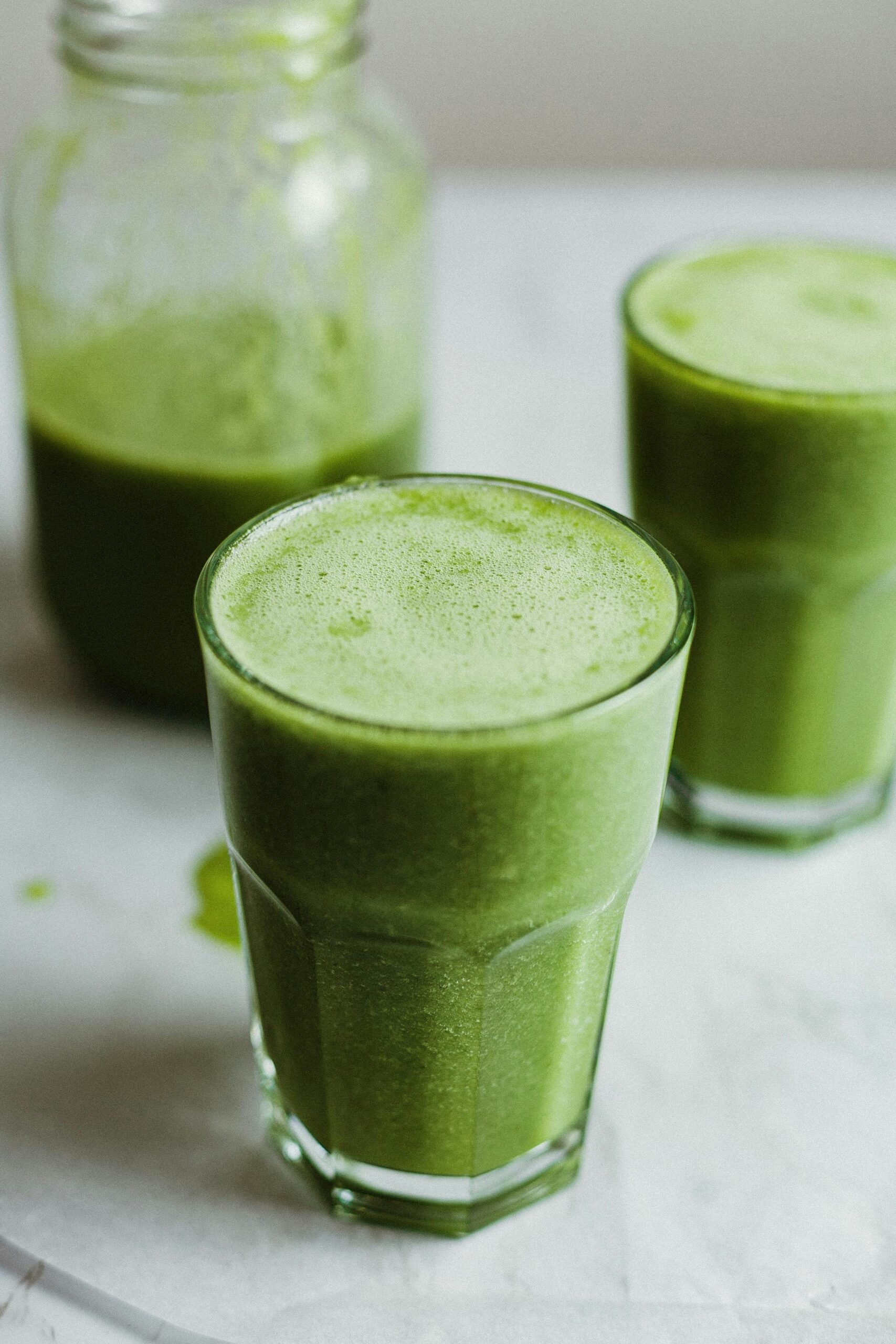
Here is the thing. Juicing removes the fiber from fruit and vegetables. Fiber is the thing that slows sugar absorption and keeps your blood sugar stable. When you remove it, you are left with concentrated natural sugar that hits your bloodstream fast, raises your insulin, and then drops you back down hard about 45 minutes later.
An 8-ounce glass of orange juice has around 26 grams of sugar. Most green juices still contain 20 or more grams. And the “wellness shots” marketed for metabolism, immunity, and energy? Most of them are so small they barely register nutritionally either way. You are paying for branding.
Your liver does not need a juice cleanse. It is already detoxing your body all day long. What it does need is adequate protein, fiber from whole food sources, hydration, and sleep. That is the actual detox protocol.
So What Actually Works?
None of this is about villainizing food. I genuinely believe you can eat delicious food and still lose fat. That is the whole point of what I teach inside FASTer Way.
But the reason so many women are spinning their wheels in their 40s is not a lack of willpower. It is a lack of the right information, applied to their specific hormonal situation. Eating less is not always the answer. Eating smarter and more strategically absolutely is.
What works for women in perimenopause and beyond:
- Prioritizing protein at every meal (we aim for 100 to 130 grams daily)
- Carb cycling to work with your insulin response rather than against it
- Intermittent fasting that is done correctly for your hormone profile
- Strength training to rebuild and protect your metabolism
- Eating enough so your body does not panic and hold on to fat for survival
Ready to Stop Guessing and Start Getting Results?
Inside my FASTer Way to Fat Loss program, I teach you exactly how to eat for your body, your hormones, and your stage of life. No starvation. No cutting entire food groups. No waking up Monday morning and starting over.
Women in my program routinely lose 10 to 15 pounds in the first six weeks. More importantly, they understand why it is working, which means they can keep it going.
If you have been eating healthy and still gaining weight, this is your sign that the problem is not you. It is the plan. And you deserve a better one.
Click here to learn more about my FASTer Way program and save your spot!
You have done the hard part long enough on your own. Let’s do it together.


LEAVE A COMMENT
Comments