If you’ve ever felt confused standing in the grocery store trying to decide what’s “healthy,” you’re not alone.
One expert says to avoid anything processed. Another says flexible eating is the key. Then you hear that macros matter more than ingredients, and suddenly you’re second guessing everything in your cart.
I want to simplify this for you in a way that actually works in real life.
Because this isn’t about perfection. It’s about understanding how to use whole foods and processed foods in a way that supports your goals, your hormones, and your lifestyle.
What Are Whole Foods?
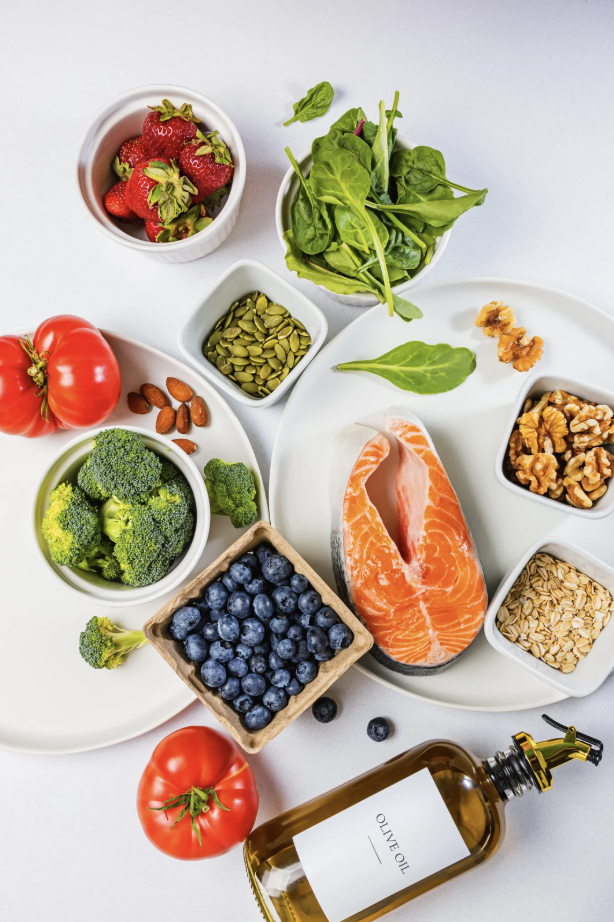
Whole foods are foods that are as close to their natural state as possible.
Think:
- Fresh fruits and vegetables
- Lean proteins like chicken, turkey, eggs, and fish
- Whole grains like rice, oats, and quinoa
- Nuts, seeds, and healthy fats
These foods are rich in nutrients your body needs to function well. They support metabolism, stabilize blood sugar, and help you feel full and energized.
When my clients start prioritizing whole foods, one of the first things they notice is better energy and fewer cravings.
What Are Processed Foods?
Processed foods are foods that have been altered from their original form.
That can mean:
- Adding ingredients like sugar, oils, or preservatives
- Changing the texture or shelf life
- Packaging for convenience
This category includes everything from protein bars and Greek yogurt to chips, frozen meals, and fast food.
Not all processed foods are created equal. That’s where most of the confusion comes from.
The Spectrum of Processed Foods
Instead of labeling foods as “good” or “bad,” it helps to think of processed foods on a spectrum.
Minimally processed:
- Frozen fruits and vegetables
- Pre-cooked proteins
- Greek yogurt
- Canned beans
These can be incredibly helpful, especially if you’re busy. They save time and still provide solid nutrition.
Highly processed:
- Packaged snacks with long ingredient lists
- Fast food
- Sugary drinks
- Desserts and refined carbs
These are easier to overeat, less filling, and can lead to energy crashes and increased cravings.
Whole Foods and Fat Loss
If your goal is fat loss, whole foods make the process easier.
Here’s why:
- Higher in fiber and protein which helps you stay full
- Lower in calories per volume so you can eat more food
- Better for blood sugar balance which supports fat loss and hormone health
When your meals are built around whole foods, you’re less likely to deal with constant hunger or food noise.
Where Processed Foods Fit In
You do not need to eliminate processed foods to see results.
Trying to cut them out completely usually leads to feeling restricted, which often backfires later.
Processed foods can fit into a healthy lifestyle when:
- Your protein and fiber targets are being met
- The majority of your meals are built on whole foods
- You’re eating with intention, not reacting to cravings
This is where balance comes in.
A protein bar after a workout or a quick frozen meal on a busy night can support consistency. That consistency is what actually drives results.
Whole Foods, Hormones, and Blood Sugar
For women in their 30s, 40s, and beyond, this matters even more.
Whole foods help:
- Stabilize blood sugar
- Support cortisol balance
- Improve digestion and gut health
- Provide key nutrients for hormone production
Highly processed foods, especially those high in sugar and low in protein, can lead to spikes and crashes that leave you tired, hungry, and reaching for more food.
When you build meals with protein, fiber, and healthy fats from whole foods, your body responds differently.
You feel more in control around food. Your energy stays steady. Your workouts improve.
A Simple Way to Approach Your Nutrition
You don’t need complicated rules.
Start here:
- Build most of your meals around whole foods
- Prioritize protein at every meal
- Add fiber through fruits, vegetables, and whole grains
- Use processed foods strategically for convenience
- Pay attention to how you feel after eating
This approach supports fat loss, muscle building, and long-term health without making your life harder.
What This Looks Like in Real Life
Breakfast:
Eggs, fruit, and oatmeal
Lunch:
Grilled chicken salad with avocado and rice
Snack:
Greek yogurt or a protein bar
Dinner:
Ground turkey bowl with roasted vegetables and potatoes
Dessert:
Something you enjoy, in a portion that aligns with your goals
No extremes. No overthinking. Just a structure that works.
Final Thoughts
You don’t need to fear processed foods, and you don’t need to eat perfectly to see progress.
When you focus on whole foods most of the time and use processed foods with intention, everything starts to feel more manageable.
You stop swinging between extremes. You build habits you can actually stick with.
And that’s where real results come from.
Ready for a Plan That Fits Your Life?
If you’re tired of overthinking food and want a clear strategy that supports fat loss, hormone health, and real-life consistency, I can help.
My 6-week coaching program gives you:
- Custom macros tailored to your body and goals
- A simple, structured approach to whole foods and flexible eating
- Workouts designed to build lean muscle and boost metabolism
- Ongoing support and accountability so you stay consistent
Spots for the next round are open now!
Join here and let’s build a plan that actually works for your life!


LEAVE A COMMENT
Comments