If you feel off lately but cannot explain why, hormones may be playing a bigger role than you realize. Many women in their 30s and 40s are doing all the right things and still feel exhausted, stuck, or disconnected from their bodies.
Hormones influence energy, fat loss, mood, sleep, digestion, and metabolism. When they are out of balance, progress feels harder than it should.
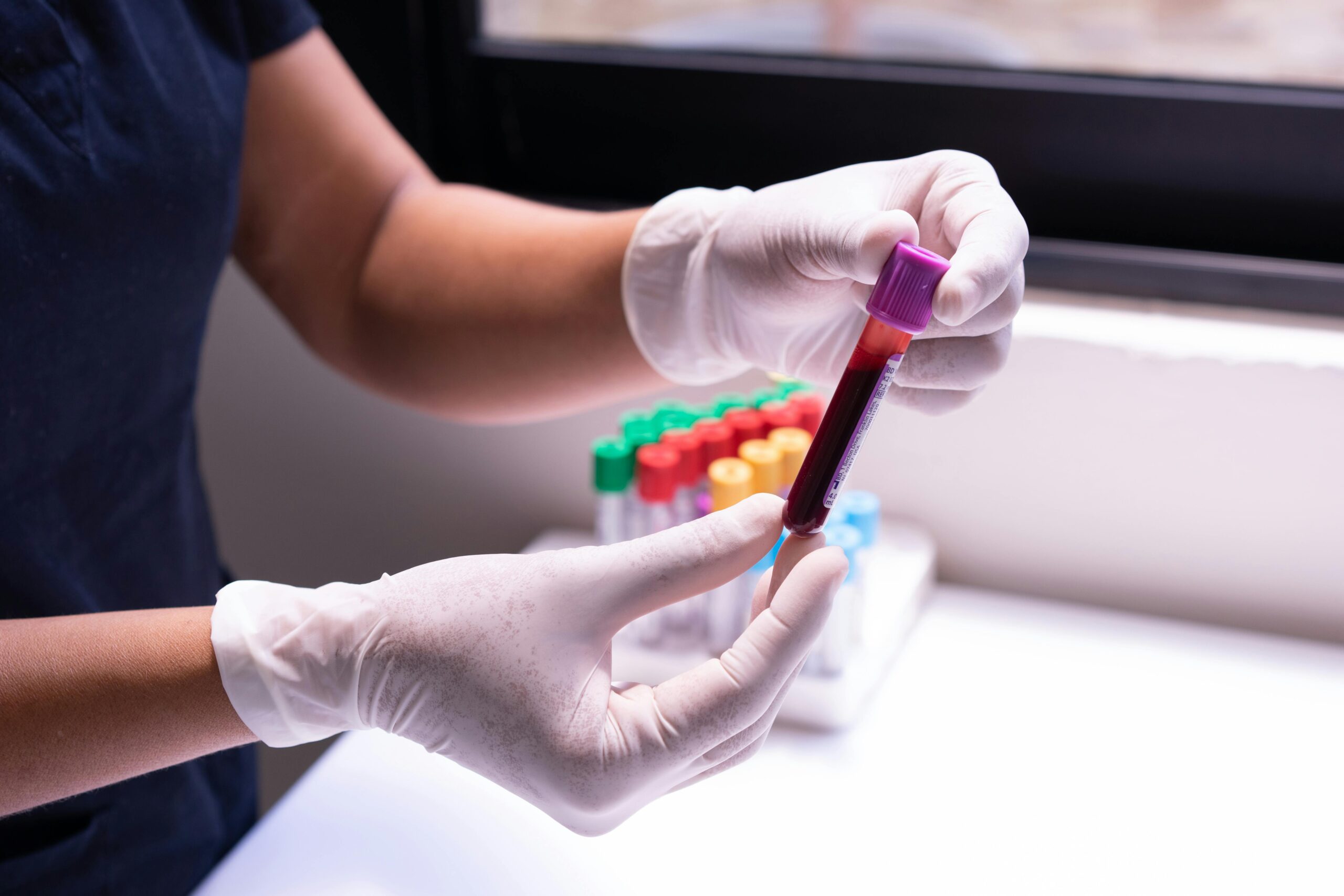
Here are eight common signs it may be time to take a closer look at your hormones and what labs are worth discussing with your provider.
1. Ongoing Fatigue That Does Not Improve With Rest
Feeling tired once in a while is normal. Feeling exhausted every day is not. If you are sleeping enough but still wake up drained or hit a wall by mid-afternoon, hormones may be involved.
Low thyroid function, cortisol imbalance, and shifts in estrogen or progesterone can all affect energy levels. When fatigue feels constant, testing can provide clarity.
2. Weight Gain or Fat Loss Resistance
If your eating habits and workouts have not changed but the scale keeps climbing or refuses to move, hormones may be the missing piece.
Elevated cortisol, insulin resistance, and thyroid dysfunction can all make fat loss more difficult, especially during perimenopause. This is not a willpower issue. It is often a hormonal one.
3. Mood Changes, Anxiety, or Feeling Flat
Hormones directly impact brain chemistry. Estrogen, progesterone, and testosterone all play a role in mood and emotional regulation.
If you feel more irritable, anxious, overwhelmed, or low without a clear reason, hormone imbalance may be contributing. These changes are common but not something you have to ignore.
4. Irregular, Heavy, or Painful Periods
Your menstrual cycle is one of the clearest indicators of hormonal health. Changes in timing, flow, or pain often point to estrogen and progesterone imbalance.
Irregular cycles, heavier bleeding, or worsening PMS symptoms are common during perimenopause and worth investigating.
5. Low Libido
A drop in sex drive is often tied to hormonal changes rather than lack of interest or motivation. Testosterone and estrogen both influence libido, muscle tone, and overall vitality.
If this shift feels sudden or persistent, testing can help identify what is happening.
6. Sleep Problems
Difficulty falling asleep, staying asleep, or waking too early can all be hormone related. Low progesterone and elevated cortisol often disrupt sleep patterns.
When sleep quality declines, energy, metabolism, and fat loss usually follow.
7. Hair Thinning or Skin Changes
Hormones influence hair growth, skin hydration, and oil production. Thyroid dysfunction often shows up as thinning hair or dry skin. Androgen imbalance can contribute to acne or oily skin.
These changes are not just cosmetic. They are valuable clues.
8. Digestive Issues and Bloating
Gut health and hormones are closely connected. Estrogen and progesterone influence digestion and gut motility. Chronic stress and high cortisol can also disrupt digestion.
If bloating, constipation, or digestive discomfort have become more frequent, hormones may be part of the picture.
What Hormones Should You Consider Testing?
If these symptoms sound familiar, here are the most common labs to discuss with your healthcare provider.
Thyroid Panel (TSH, Free T3, Free T4)
Your thyroid regulates metabolism, energy, and temperature. Imbalances can lead to fatigue, weight changes, mood shifts, and hair thinning.
Estrogen and Progesterone
These hormones must stay in balance for cycle regularity, mood stability, and overall hormonal health. Imbalance often shows up during perimenopause.
Cortisol
Cortisol is your main stress hormone. Chronic stress can raise cortisol levels and make fat loss, sleep, and recovery more difficult.
Testosterone
Women need testosterone for muscle strength, energy, confidence, and libido. Low levels are common and often overlooked.
Insulin
Insulin regulates blood sugar. Insulin resistance can cause weight gain, fatigue, and intense cravings, even with healthy eating.
DHEA
DHEA supports resilience to stress and hormone production. Low levels may contribute to fatigue, mood changes, and low libido.
When Should You Get Checked?
If multiple symptoms resonate with you, it is worth having a conversation with your provider. Testing provides data and direction. Once you understand what is happening, you can take targeted action.
What You Can Do Right Now to Support Hormone Health
While labs provide clarity, daily habits matter just as much.
- Eat balanced meals with protein, fiber, and healthy fats
- Avoid under-eating and extreme restriction
- Strength train to support metabolism and hormone balance
- Manage stress intentionally
- Prioritize sleep and hydration
These strategies are the foundation of hormone-friendly fat loss.
Ready to Take a Smarter Approach?
This is exactly how I support women inside my 3-week nutrition and fitness program.
We focus on:
- Hormone-supportive nutrition
- Macro tracking without obsession
- Carb cycling for fat loss
- Intermittent fasting done the right way
- Strength training to protect metabolism
If you feel stuck, tired, or frustrated with your progress, this program gives you structure, clarity, and support without extremes.
Click here to join my next 3-week program and get started!
Have you had your hormones tested before or are you considering it? Leave a comment or message me on Instagram. I would love to support you.


LEAVE A COMMENT
Comments