If you have ever felt confused by nutrition advice, you are not alone. One expert says to eat clean. Another says everything in moderation. Somewhere in the middle, women over 40 are left wondering what actually matters for fat loss that lasts.
The truth is, this conversation does not need to be complicated. Understanding the difference between whole foods and processed foods, and how each affects your body, can completely change how you approach fat loss without feeling restricted or overwhelmed.
Let’s break it down in a way that actually makes sense.
What Are Whole Foods?
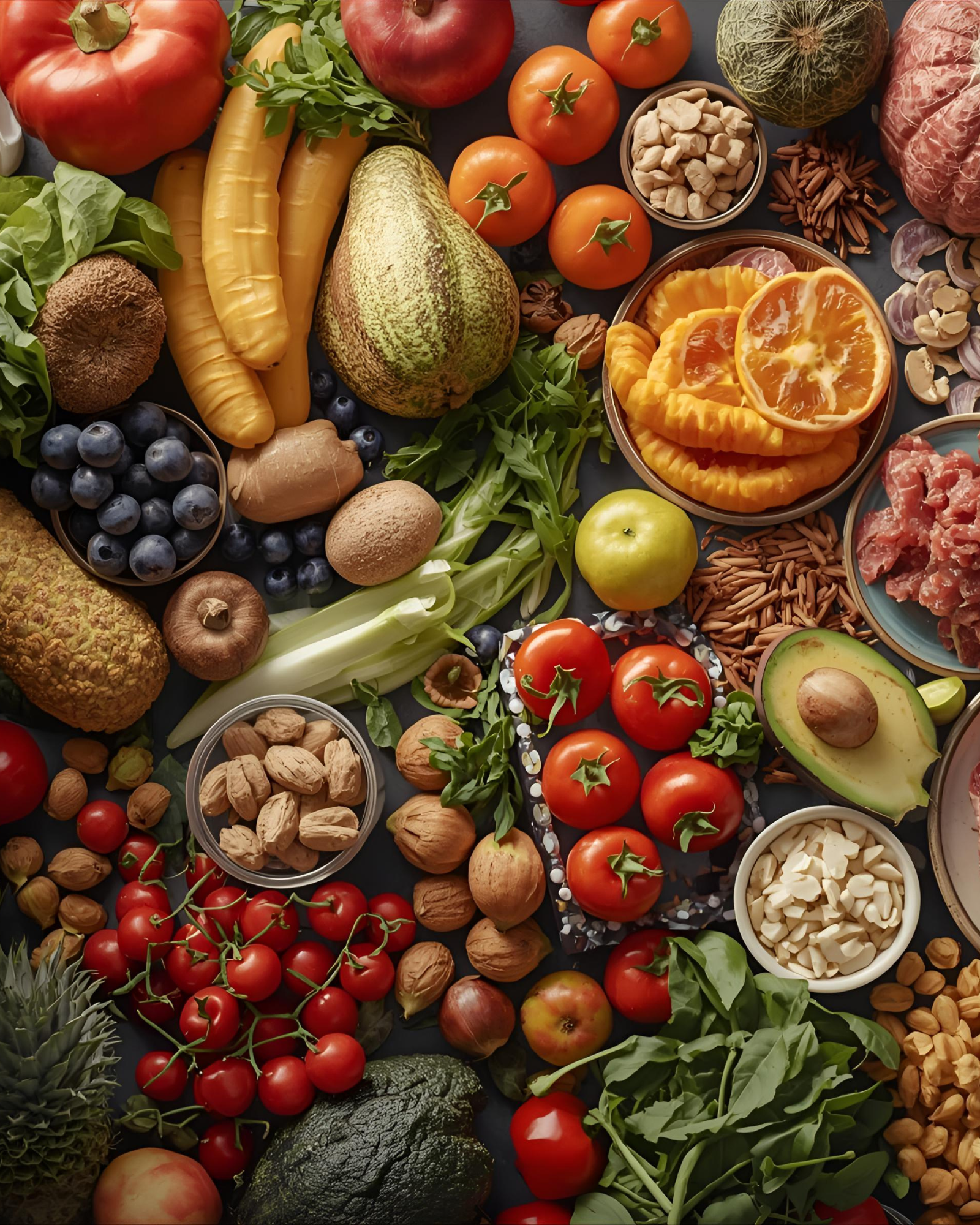
Whole foods are foods that stay close to their natural form. They usually contain one ingredient and do not require a nutrition label to explain what they are.
Examples include:
- Fresh fruits and vegetables
- Meat, poultry, and fish
- Eggs
- Potatoes, rice, oats, and beans
- Nuts and seeds
These foods naturally contain protein, fiber, vitamins, minerals, and water. All of those work together to support digestion, blood sugar balance, hormone health, and satiety.
What Are Processed Foods?
Processed foods exist on a spectrum. Some processing is helpful and convenient. Other forms of processing remove nutrients and make foods easier to overeat.
Lightly processed foods can still fit into a healthy lifestyle:
- Frozen vegetables
- Greek yogurt
- Protein powder
- Canned beans
Highly processed foods are different. These are typically designed to be hyper-palatable and easy to overconsume:
- Chips, crackers, pastries
- Sugary cereals
- Sweetened coffee creamers
- Packaged snacks and desserts
These foods are often low in fiber and protein while being high in refined carbohydrates, added sugars, and oils.
What the Science Tells Us About Fat Loss
Research consistently shows that diets higher in whole foods are associated with better body composition, improved insulin sensitivity, and reduced inflammation.
Here is why.
Whole Foods Support Appetite Control
Whole foods take longer to chew and digest. Fiber and protein slow gastric emptying, which helps you feel satisfied longer. This naturally reduces the urge to snack constantly or overeat later in the day.
Processed foods tend to digest quickly and spike blood sugar. That rise is often followed by a crash, which triggers hunger and cravings soon after eating.
Whole Foods Improve Blood Sugar and Insulin Response
Stable blood sugar is one of the biggest drivers of sustainable fat loss, especially for women in their 40s and beyond.
Whole foods contain fiber and nutrients that slow the absorption of glucose into the bloodstream. This helps insulin do its job more efficiently.
Highly processed foods can lead to repeated blood sugar spikes. Over time, this contributes to insulin resistance, stubborn fat storage, and energy crashes.
Whole Foods Reduce Inflammation
Chronic inflammation makes fat loss harder. It impacts hormones, recovery, and metabolic health.
Whole foods provide antioxidants, omega-3 fats, and phytonutrients that help lower inflammation. Highly processed foods often do the opposite, especially when consumed frequently.
This matters more than ever during perimenopause, when inflammation tends to rise naturally.
Does This Mean You Can Never Eat Processed Foods?
Absolutely not.
Sustainable fat loss is not about perfection. It is about consistency and structure.
The goal is not to eliminate processed foods but to build meals around whole foods most of the time. When whole foods make up the foundation of your diet, there is room for flexibility without guilt or backsliding.
This approach supports long-term success because it is realistic.
A Simple Way to Apply This Without Overthinking
Instead of labeling foods as good or bad, ask this question:
Does this meal contain a solid protein source, fiber, and nutrients that help me feel full and energized?
If the answer is yes, you are on the right track.
A balanced plate might look like:
- Protein as the anchor
- Carbohydrates that come from whole food sources most of the time
- Healthy fats in moderate amounts
- Processed foods used intentionally, not mindlessly
This is how you build results that last without starting over every Monday.
Why Whole Foods Matter More After 40
As hormones shift, your body becomes less forgiving of extremes. Under-eating, over-restricting, and living on processed convenience foods often lead to plateaus and burnout.
Whole foods support:
- Muscle preservation
- Metabolic health
- Hormone balance
- Recovery and energy
This is why fat loss after 40 requires a smarter strategy, not more willpower.
The Bottom Line
Whole foods are not a trend. They are a tool.
When you focus on nutrient-dense foods most of the time and allow flexibility without guilt, fat loss becomes sustainable instead of stressful.
You do not need to eat perfectly. You need a plan that works with your life and your body.
Ready for Structure and Support?
If you want help learning how to fuel your body for fat loss without restriction, confusion, or burnout, I would love to support you.
Join my next FASTer Way coaching round and get personalized macros, simple meal strategies, strength training, and accountability designed for women who want real results that last.
You do not have to figure this out alone. Let’s build a plan that finally works for you.


LEAVE A COMMENT
Comments